
5.4 Midterm Examinations
Midterms outside class time must be announced early and include alternative times for students with conflicts.
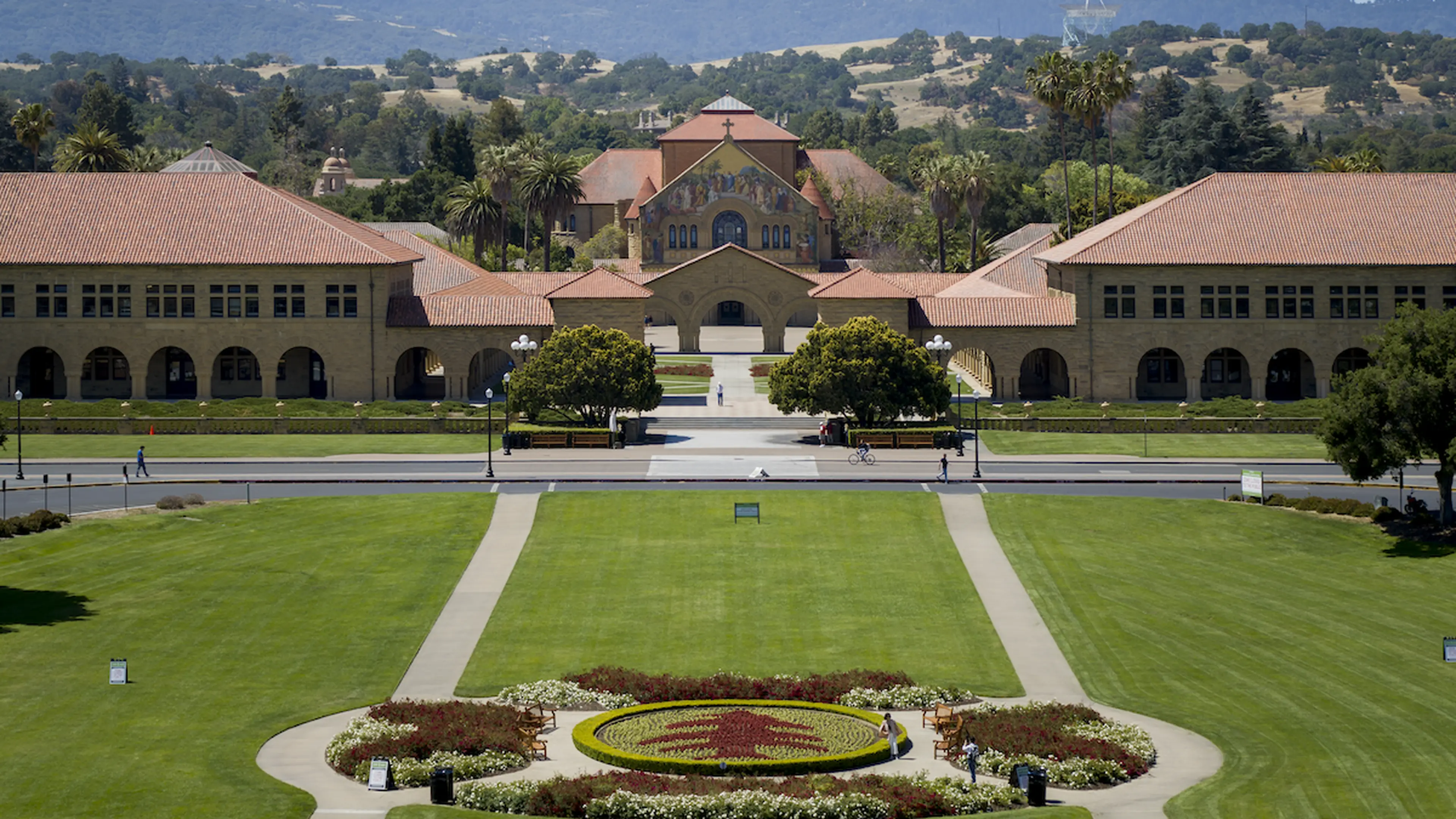
Find the official policies that govern our student and academic community.
Stanford sets strict rules for final exams, including a reserved three-hour exam period for most courses and deadlines for completing exams or final assessments depending on course unit size and format. Students are responsible for understanding and planning around the published exam schedule when submitting study lists, and must resolve any scheduling conflicts early in the quarter or adjust their enrollment accordingly.
When the final examination is an in-class examination, the following regulations apply:
A three-hour period is reserved during examination week for the final examination in each course of more than 2 units. This examination period must be available for students, but not necessarily in its entirety, if an in-class examination is given. In courses with extraordinary meeting times, such that ambiguity might exist as regards the period reserved for the final examination, the schedule should be clarified and students informed no later than the end of the second week of the quarter.
Examinations in 1- or 2-unit courses must be completed by the end of the last class meeting before the End-Quarter Period, except in Summer Quarter when examinations must be completed during the last regularly scheduled class session.
When the final examination or its appropriate substitute is not an in-class examination (for example, when an instructor chooses to employ a take-home examination, paper, or project in lieu of an in-class examination), the following regulations apply:
The schedule and format of the final examination or its appropriate substitute are made known not later than the end of the second week of the quarter and, if changed subsequently, may be only an option of the plan originally announced by the instructor.
Although the instructor may ask students to return take-home examinations early in the final examination period, the instructor may not call them due until the end of the regularly scheduled examination time for that course.
In submitting official Study Lists, students commit to all course requirements, including the examination procedures chosen and announced by the course instructor. In choosing courses, students should take cognizance of the official schedule of final examinations opens in a new tab. Students anticipating conflicts in final examination schedules should seek to resolve these with the instructors involved before the Preliminary Study List deadline at the beginning of the quarter. If accommodation cannot be made at that time, the student should revise his or her Study List before the Final Study List deadline at the end of the third week of the quarter in order to be able to meet the required final examination.
Courses that meet during the end-quarter exam period defined in the Academic Calendar opens in a new tab should be flagged in the university's curriculum management system before enrollment opens. Flagging allows the Office of the University Registrar to assign the appropriate exam block in advance, so students can build accurate schedules without last-minute changes from unknown exam commitments.
If unforeseen circumstances prevent the student from sitting for the regularly scheduled examination, instructors should make alternative arrangements on an individual basis. Such unforeseen circumstances include illness, personal emergency, or the student's required participation in special events (for example, athletic championships) approved as exceptions by the Committee on Undergraduate Standards and Policy (C-USP). Inquiries regarding these circumstances may be directed to the office of Academic Advising opens in a new tab, under the office of the Vice Provost for Undergraduate Education (VPUE).
Curriculum Management and Scheduling, Office of the University Registrar
reg-courses@stanford.edu
The office of Academic Advising, under the office of the Vice Provost for Undergraduate Education (VPUE)
advising@stanford.edu
Midterms outside class time must be announced early and include alternative times for students with conflicts.
The End-Quarter Period is a time of reduced social and extracurricular activity preceding final examinations. Its purpose is to permit students to concentrate on academic work and to prepare for final examinations.
Early final exams are granted only in exceptional circumstances at faculty discretion, and must be carefully managed to preserve fairness and uphold the Honor Code.