Stanford policy prohibits electronically sharing someone’s personal identifying information with intent to cause fear, harassment, or harm, as this violates the Fundamental Standard and/or Code of Conduct. The rule defines key terms (such as electronic distribution and harassment) and excludes conduct protected by law or the First Amendment.
Stanford’s Policy on Campus Disruptions affirms the right to free speech and protest while requiring that campus activities remain orderly, respectful, and conducive to academic work. It prohibits actions that disrupt university functions or obstruct movement, and violations—evaluated based on context and severity—can result in penalties ranging from censure to expulsion.
Stanford complies with the Jeanne Clery Act and provides its campus safety policies and crime statistics online and upon request through the Department of Public Safety.
Although Stanford University is a private campus that welcomes visitors, non-affiliates may only engage in limited expressive activity in designated areas like White Plaza and cannot organize events or use structures without permission, must follow university rules, identify themselves if required, and leave if directed by officials.
By registering, students agree to comply with all University policies, rules, and regulations, including those related to academics, conduct, health and safety, and financial obligations. The University may withhold or cancel registration for noncompliance or concerns related to academic standing, conduct, or community safety.
Copyright law protects most original works and generally requires permission for use unless an exception (such as fair use or educational use) applies. Individuals are responsible for complying with these laws, as violations can result in legal consequences and university discipline.
Stanford prohibits the possession of weapons and ammunition on campus (with limited exceptions), in accordance with California law and university policy. Exemptions may be granted for academic purposes on a case-by-case basis by the Department of Public Safety.
Stanford is not liable for disruptions or changes to academic or campus activities caused by events beyond its control (force majeure) that make operations unsafe, illegal, or impractical.
Stanford is committed to fostering experiences, relationships and environments that contribute to the good of our community and ensure that every student feels a firm sense of belonging. Hazing of any kind is antithetical to these goals and many hazing activities are also against the law. Stanford prohibits hazing activities.
Student life at Stanford is governed by the Honor Code and the Fundamental Standard. More information on these policies is available from the Office of Community
Students may be required to present valid university or government-issued identification to authorized university staff while on campus property.
Overnight camping is prohibited on campus—including tents or sleeping outdoors between 10 p.m. and 8 a.m.—due to safety risks, with violations subject to removal and discipline, and only limited pre-approved exceptions for longstanding university events.
Stanford requires all community members to limit noise and obtain approval for amplified sound to maintain a respectful, academic environment, in compliance with both university policy and local ordinances.
Using file-sharing networks to download or share copyrighted material without permission violates the law and Stanford policy, and both uploaders and downloaders are responsible. Violations may result in loss of network access, university discipline, legal action, and potential identification through DMCA enforcement.
This policy establishes Stanford's expectations and regulations regarding alcohol and other drug use by students, promotes health and safety through education and support, outlines prohibited conduct and enforcement procedures, and encourages students to seek medical assistance without fear of disciplinary consequences through Good Samaritan protections.
Stanford uses electronic communication as official notice, with emails to students’ Stanford accounts considered received and legally binding, and electronic submissions serving as valid signatures.
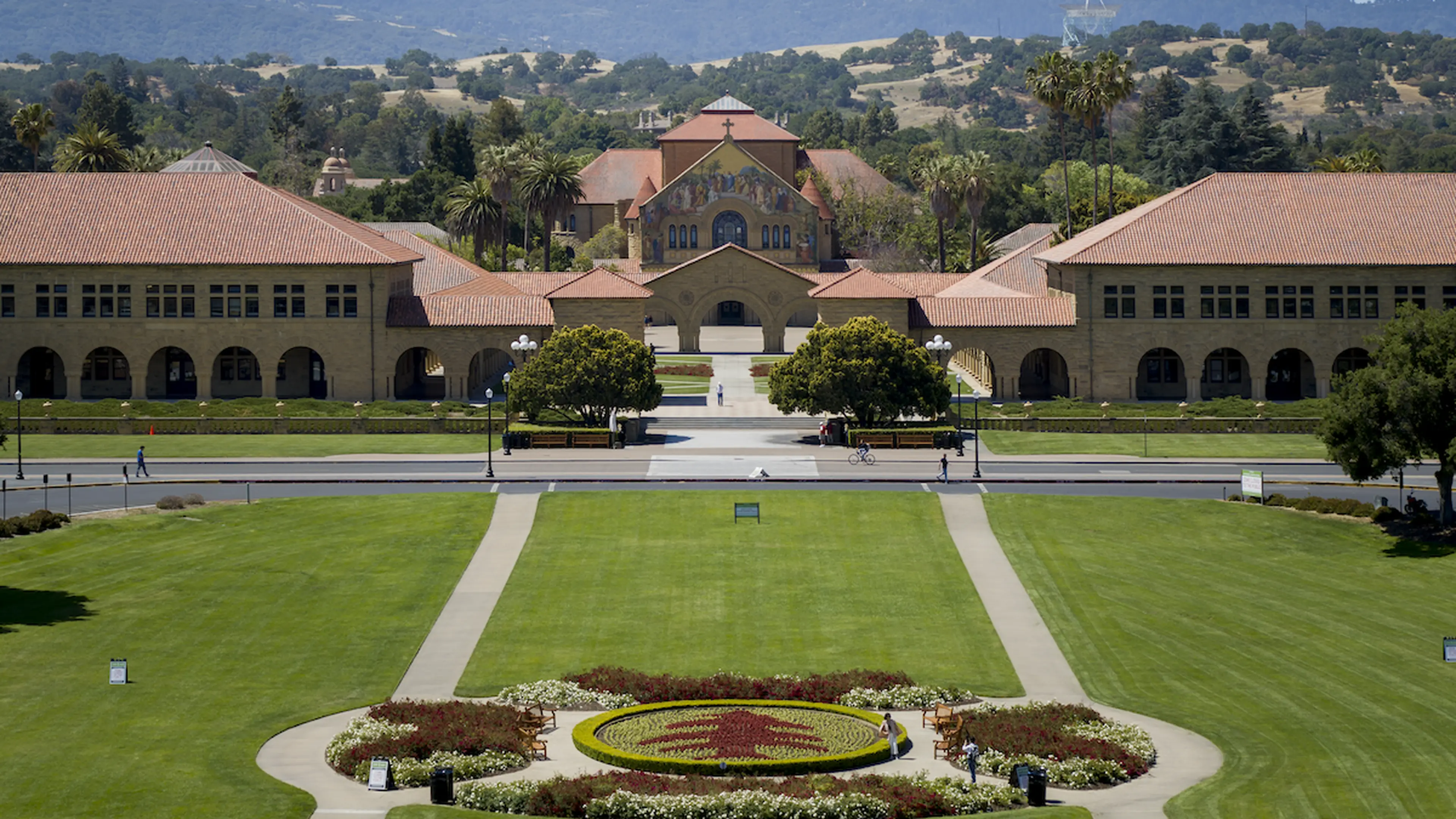
The Main Quad and Memorial Court are protected academic spaces at Stanford reserved primarily for official university ceremonies and limited everyday uses like walking or class gatherings, with most other activities restricted to preserve their historic and academic character. Strict policies prohibit commercial activity, demonstrations, amplified sound, vehicles, posting materials, and other disruptions, with rare exceptions granted only in extraordinary cases.